
3PL vs. 4PL: Navigating the Complex World of Logistics
In today’s rapidly evolving e-commerce landscape, understanding the intricacies of logistics is paramount. Whether you’re a budding entrepreneur or an established business magnate, the decision between third-party logistics (3PL) and fourth-party logistics (4PL) can significantly impact your supply chain operations. This article delves deep into the world of 3PL and 4PL, shedding light on their unique characteristics, benefits, and challenges.
What is a 4PL?
Fourth-party logistics, often referred to as 4PL, represents the pinnacle of supply chain outsourcing. Unlike traditional logistics services, a 4PL acts as a single interface between the client and multiple logistics service providers. Essentially, they take on a managerial role, overseeing the entire supply chain and ensuring seamless operations.
Characteristics of a 4PL:
- Accountability and Responsibility: A 4PL takes on a significant amount of responsibility in the supply chain management process. They’re not just overseeing transportation or warehousing; they’re managing the entire supply chain, from end to end.
- Strategic Oversight: While a 3PL might handle the physical aspects of logistics, such as warehousing and transportation, a 4PL provides strategic insights, analytics, and optimization strategies to streamline the supply chain operations.
- Network Management: One of the standout features of a 4PL is its ability to manage multiple third-party logistics providers. This means they can delegate specific tasks to different 3PLs, ensuring that each aspect of the supply chain is handled by specialists.
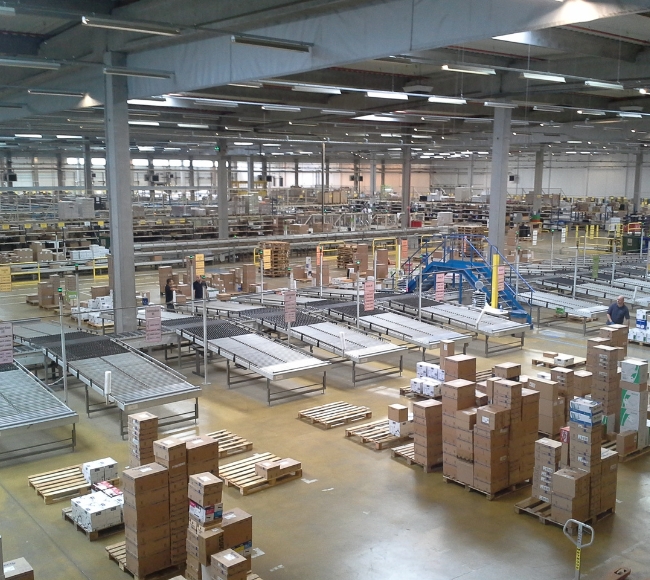
Third-party logistics, or 3PL, is a service that allows businesses to outsource various logistics operations. This can range from warehousing to transportation, inventory management, and even order fulfillment. The primary goal of a 3PL is to streamline these operations, allowing businesses to focus on their core competencies.
Characteristics of a 3PL:
- Operational Excellence: A 3PL excels in the day-to-day logistics operations. They have the infrastructure, technology, and expertise to handle tasks like warehousing, transportation, and order fulfillment efficiently.
- Direct Communication: When partnering with a 3PL, businesses have a direct line of communication. This ensures faster resolution of any issues and a more hands-on approach to logistics services.
- Technology Integration: Modern 3PLs leverage cutting-edge technology to enhance their services. From advanced warehouse management systems to real-time inventory tracking, they employ tools that offer transparency and efficiency.
Understanding the distinction between 3PL and 4PL is crucial for businesses aiming to optimize their supply chain operations. Here are some of the fundamental differences:
- Order Fulfillment: A 3PL primarily focuses on order fulfillment, encompassing tasks like warehousing, picking, packing, and shipping. In contrast, a 4PL manages the entire supply chain, ensuring that every aspect, from transportation to technology, is streamlined.
- Supply Chain Optimization: While a 3PL offers direct solutions to optimize fulfillment, a 4PL provides a more holistic approach. They look at the bigger picture, identifying bottlenecks and areas of improvement across the entire supply chain.
- Customer Communications: With a 3PL, businesses communicate directly, ensuring faster resolution of issues. On the other hand, a 4PL acts as a mediator, managing communications between the business and various logistics providers.
How a 4PL Process Works
Navigating the intricate web of logistics operations can be daunting. A 4PL simplifies this by offering a structured approach to manage the entire supply chain. Here’s a breakdown of how a typical 4PL process unfolds:
The journey begins with the transportation of goods. A 4PL coordinates the movement of finished goods, often starting from the manufacturer. They ensure that products are transported efficiently, whether it’s to a warehouse, distribution center, or directly to the retailer.
Once the products reach their destination, warehousing comes into play. While the day-to-day tasks of receiving, storing, and dispatching inventory might be handled by a 3PL, the 4PL oversees this process, ensuring that everything runs smoothly.
Inventory management is the backbone of any successful supply chain operation. A 4PL employs advanced technology to centralize inventory tracking. This not only provides businesses with real-time visibility into their stock levels but also aids in demand forecasting, ensuring that there’s always an optimal amount of inventory on hand.
The final leg of the logistics journey is shipping. A 4PL manages relationships with carriers, ensuring that orders are picked up promptly from warehouses and delivered to the end customer. They also oversee last-mile delivery, which is crucial for maintaining customer satisfaction.
Which Logistics Model is Best for Your Business?
Choosing between a 3PL and a 4PL isn’t a one-size-fits-all decision. It largely depends on the specific needs and growth stage of your business.
- Startup Phase: In-House FulfillmentFor businesses just starting out, handling order fulfillment in-house might be the most feasible option. However, as order volumes increase, this approach can become time-consuming and less efficient.
- Rapid Growth Phase: 3PLAs your business experiences growth, the demands on your logistics operations will intensify. Partnering with a 3PL can alleviate these pressures, allowing you to scale efficiently. They handle the complexities of order fulfillment, from warehousing to shipping, letting you focus on other core aspects of your business.
- Enterprise-Level Operations: 4PLFor large-scale operations or businesses with a global footprint, a 4PL might be the ideal choice. They offer a comprehensive solution, managing the entire supply chain and providing strategic insights to optimize operations. However, it’s essential to weigh the benefits against the potential challenges, such as reduced direct control over certain logistics aspects.
Choosing the Right Logistics Provider for Your Business
In the vast realm of logistics, selecting the right partner can make all the difference. Whether you’re considering a third-party logistics provider or a fourth-party logistics provider, it’s essential to make an informed decision that aligns with your business’s unique needs and goals. Here are some key considerations to guide your choice:
Before diving into the selection process, take a moment to assess your business’s specific logistics requirements. Are you looking for end-to-end supply chain solutions, or do you need assistance with specific aspects like warehousing or transportation? Your needs will dictate whether a 3PL or 4PL is more suitable.
Not all logistics providers are created equal. It’s crucial to partner with a provider that has a proven track record in your industry. Their expertise will ensure that they understand the unique challenges and nuances of your business sector.
In today’s digital age, the role of technology in logistics cannot be overstated. Ensure that your chosen logistics provider offers advanced technological solutions, from real-time inventory tracking to seamless integrations with your existing systems.
A robust customer service team is the backbone of any successful logistics provider. Whether it’s addressing concerns, resolving issues, or providing insights, a dedicated customer service team can significantly enhance your logistics experience. Ensure that your chosen provider prioritizes customer service and offers multiple channels of communication.
As your business grows, your logistics needs will evolve. It’s essential to choose a provider that can scale with you, offering flexible solutions that cater to your changing requirements.
While every logistics provider will tout their services, it’s invaluable to hear from businesses that have firsthand experience with them. Look for reviews and testimonials to gauge the provider’s reliability, efficiency, and overall performance.
While cost shouldn’t be the sole deciding factor, it’s undoubtedly a crucial consideration. Ensure that the provider offers transparent pricing without hidden fees. It’s also beneficial to understand the value they bring to the table, sometimes, paying a premium for exceptional service and solutions can be a worthwhile investment.
At 3PL Bridge, we pride ourselves on offering comprehensive supply chain solutions tailored to your business’s unique needs. With a dedicated customer service team, advanced technological integrations, and a proven track record, we stand out as a leading provider of third-party logistics. Whether you’re navigating the complexities of 3PL or 4PL, our team is here to guide, support, and optimize your logistics operations.
What Matters Most...
Choosing between a 3PL and 4PL depends on your business needs, growth stage, and how much control you want over your supply chain.
What matters most is finding a logistics partner that delivers efficiency, reliability, and room to scale, so your operations run smoothly and your customers stay happy.