3PL Bridge exists to help brands make smarter fulfillment and supply chain decisions. We connect growing and complex businesses with vetted 3PL partners through a more structured, operator-led process built around fit, clarity, and long-term results.
















brands
advised
vetted 3PL
relationships
average savings
opportunity identified
3PL Bridge is built for brands that need more than introductions. We bring together logistics experience, operator-led thinking, and a structured evaluation process to help businesses choose better-fit fulfillment partners with more confidence.



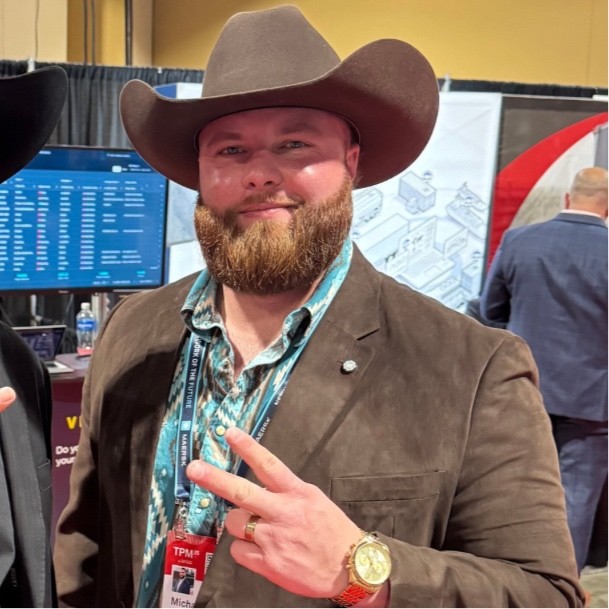

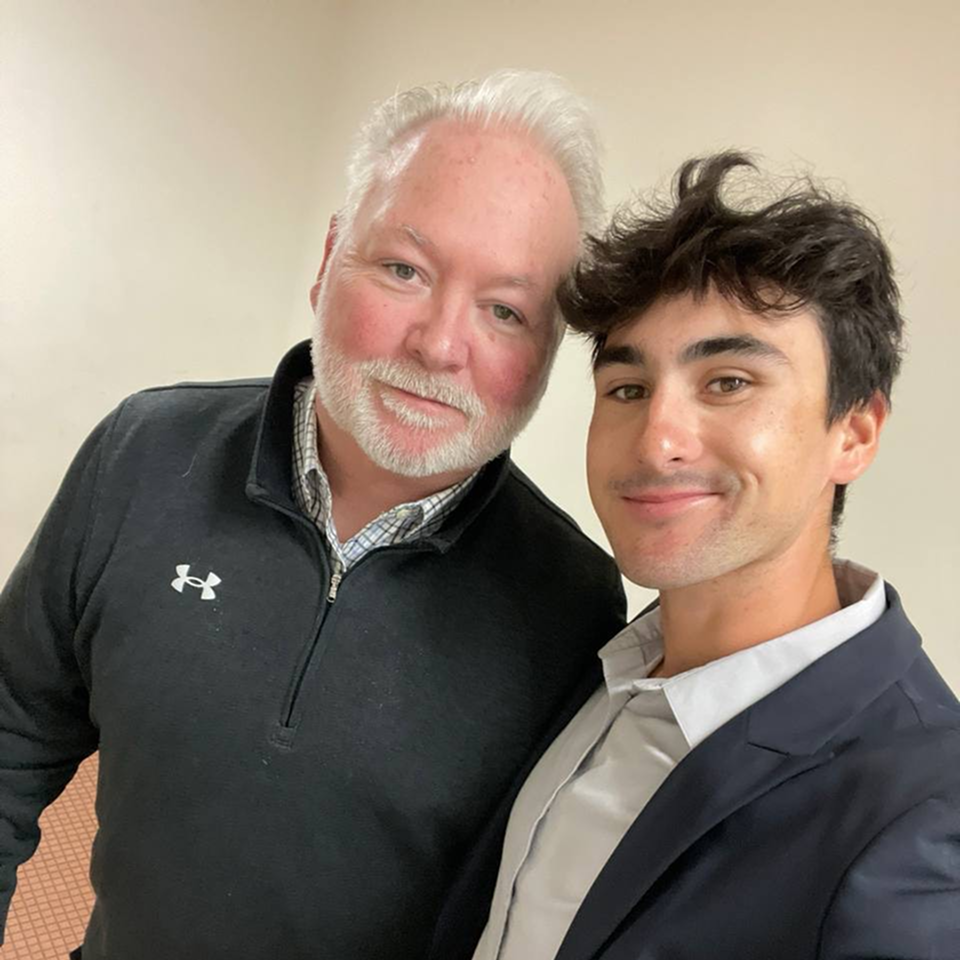



"3PL Bridge delivered fast, competitively priced solutions during a tight market. Their transparency and service gave us leverage."


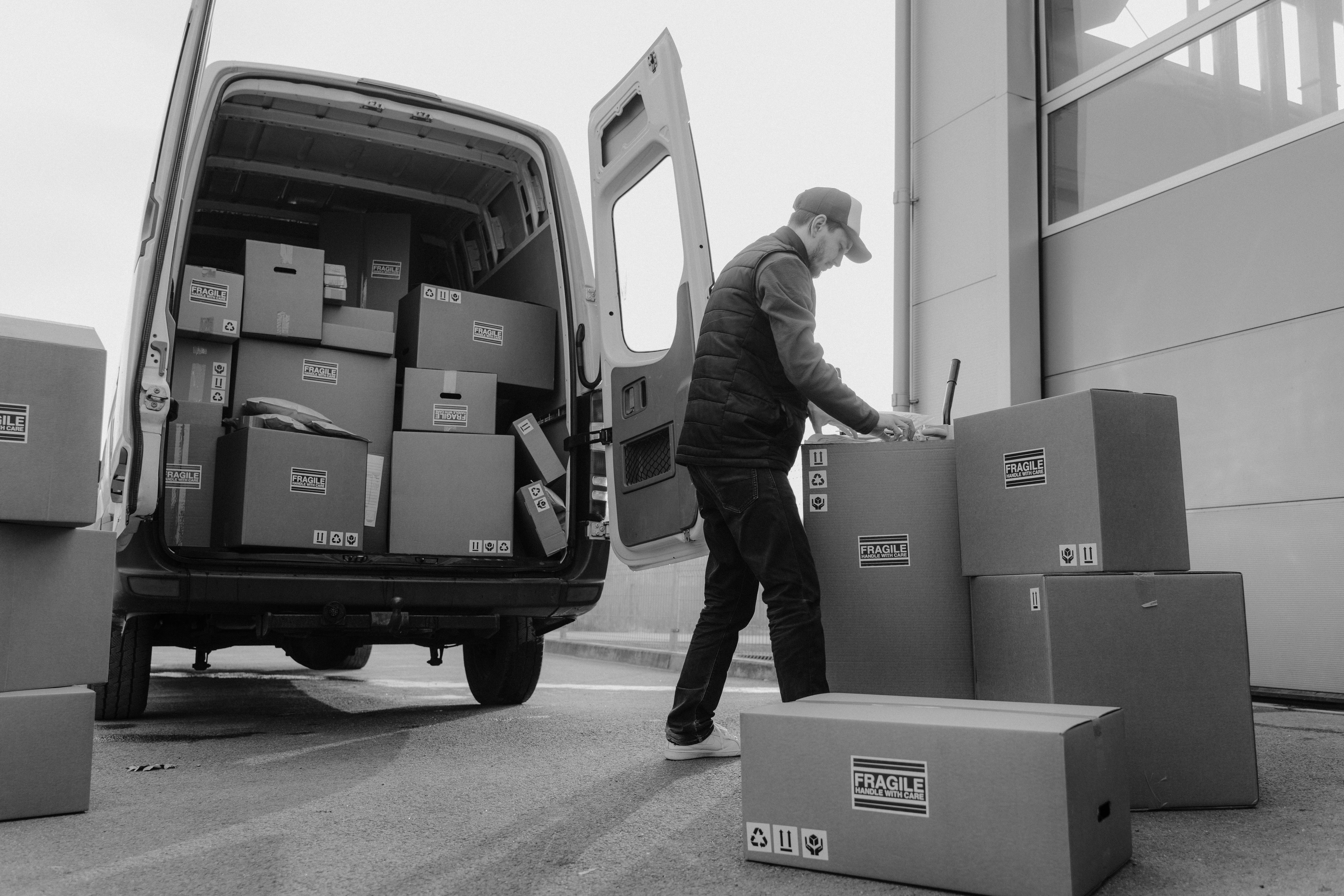
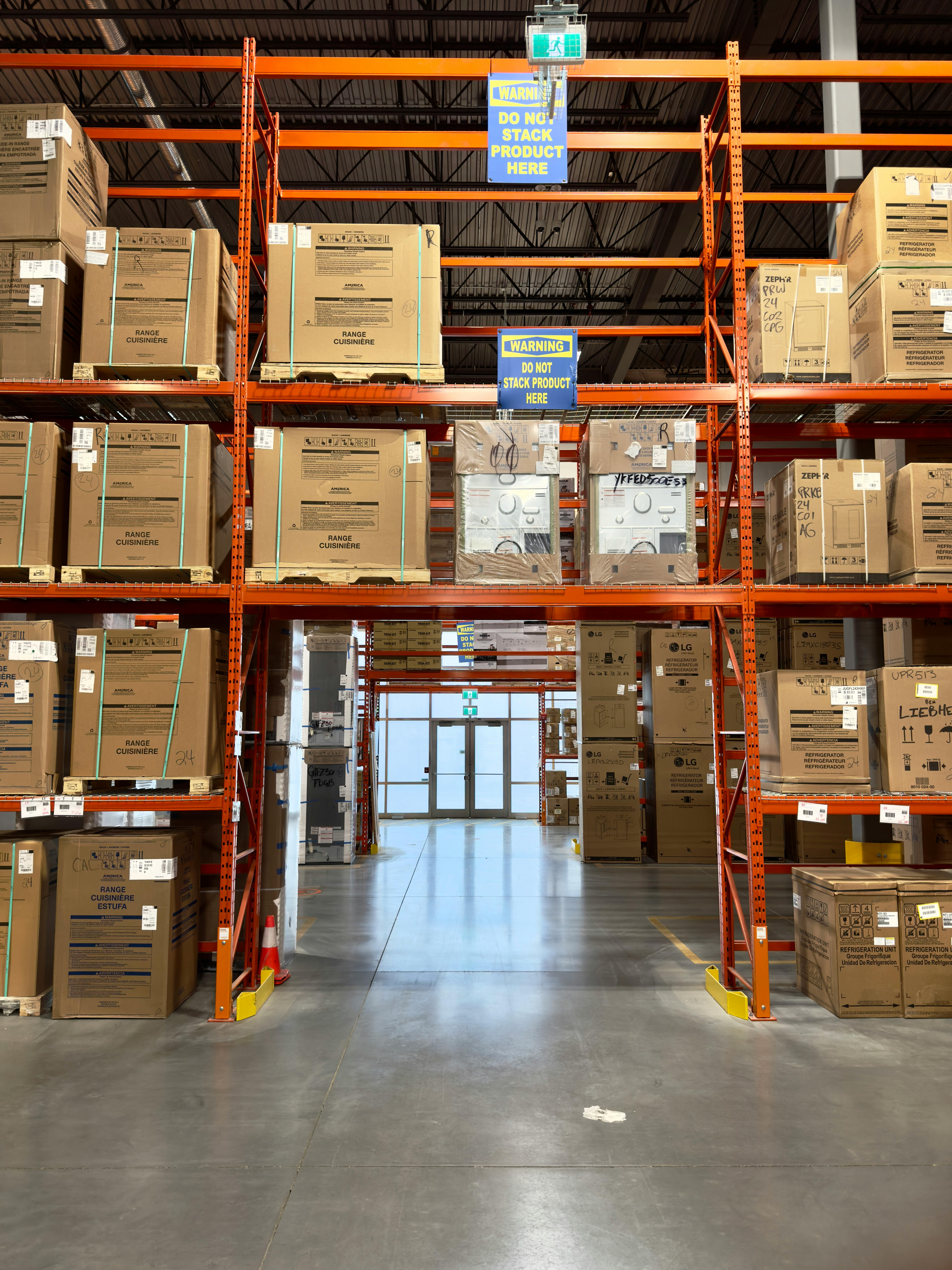
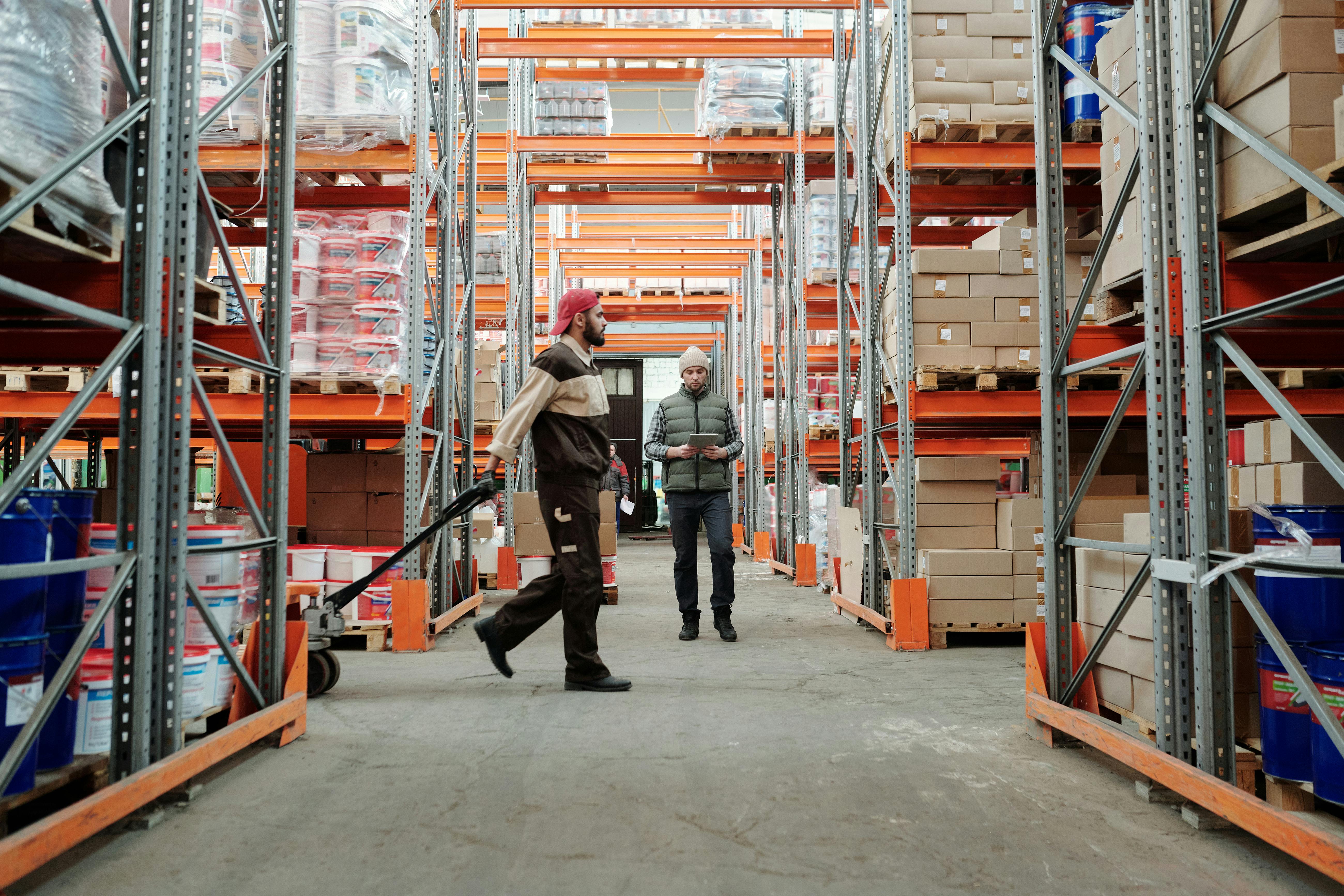
The right ecommerce 3PL does more than ship orders. It supports speed, accuracy, real-time visibility, cleaner returns handling, and a customer experience that holds up as the brand grows.
Same-day and next-day fulfillment depend on cutoff performance, pick accuracy, and systems that keep orders moving without delay.
When parcel rates, pick and pack fees, storage, and returns workflows are managed more efficiently, fulfillment becomes easier to scale without unnecessary cost leakage.
We design the setup around your product, order profile, and delivery expectations.

Lorem ipsum dolor sit amet, consectetur adipiscing elit. Etiam vehicula condimentum nunc, a semper elit luctus id. . Duis fringilla enim non neque aliquet, ut efficitur nunc lacinia. Etiam ornare eget nisi.
Lorem ipsum dolor sit consectetur adipiscing elit Etiam vehicula condimentum nunc. Duis fringilla enim non neque aliquet, ut efficitur nunc lacinia. Etiam ornare eget nisi fringilla placerat. 🔥

Lorem ipsum dolor sit amet, consectetur adipiscing elit. Etiam vehicula condimentum nunc, a semper elit luctus id. . Duis fringilla enim non neque aliquet, ut efficitur nunc lacinia. Etiam ornare eget nisi.
Lorem ipsum dolor sit consectetur adipiscing elit Etiam vehicula condimentum nunc. Duis fringilla enim non neque aliquet, ut efficitur nunc lacinia. Etiam ornare eget nisi fringilla placerat. 🔥

Lorem ipsum dolor sit amet, consectetur adipiscing elit. Etiam vehicula condimentum nunc, a semper elit luctus id. . Duis fringilla enim non neque aliquet, ut efficitur nunc lacinia. Etiam ornare eget nisi.
Lorem ipsum dolor sit consectetur adipiscing elit Etiam vehicula condimentum nunc. Duis fringilla enim non neque aliquet, ut efficitur nunc lacinia. Etiam ornare eget nisi fringilla placerat. 🔥
F R E E Q U O T E
Whether you’re delivering in the US or across the world, Commercive offers what you need to drive eCommerce success, including custom packaging & branding, fast global shipping, sourcing and logistics support, and more. Fill out the form and receive your free quote.
Most brands rely on the same broken process — inbound sales calls, referral guesses, and surface-level RFPs. 3PL Bridge replaces that with a structured selection framework built by operators, not procurement teams.
Everything you need to understand before evaluating a new 3PL, reassessing an existing partner, or entering a more rigorous selection process.


.jpg)